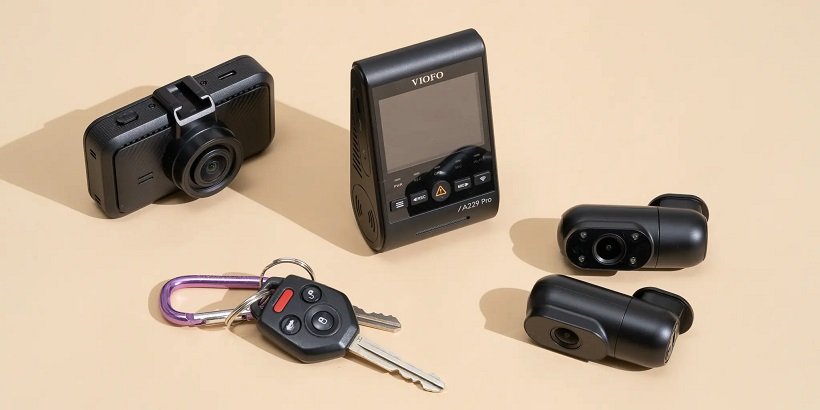
You know that feeling when you pull out of the driveway and the world feels… unpredictable? One moment, everything is calm. The next, someone cuts across three lanes like they’re late for their own wedding. That’s why choosing the right dash cam isn’t just a tech decision—it’s a peace-of-mind decision. You’re not shopping for a gadget. You’re choosing a quiet witness that never panics, never forgets, and never “sort of” remembers what happened.
Still, the options can feel endless. 4K, HDR, STARVIS, buffers, capacitors, cloud, dual-channel—your brain starts to fuzz over. Let’s slow it down together and make it simple, human, and practical, so you can pick a model that fits your life.
Start With Your “Why” (Because You’re Not Buying Features)
Before you look at specs, ask yourself what you want your dash camera to do for YOU.
– Do you commute in heavy traffic and want clear license plates?
– Do you park on busy streets and worry about hit-and-runs?
– Do you drive for work and want an objective record of incidents?
– Do you travel at night, in rain, in snow—when footage quality really matters?
When you define your “why,” you stop getting distracted by shiny extras. You start shopping with purpose.
And yes, it’s normal to feel overwhelmed. A friend once bemoan-ed (loudly, in the parking lot) that every model sounded “exactly the same, just with more acronyms.” Five minutes later, after narrowing down what they actually needed—front and rear coverage plus strong night video—the decision practically made itself. That’s the power of clarity: fewer tabs open, fewer regrets later.
Video Quality: Resolution Isn’t Everything, But It’s Not Nothing
When shopping for a car dash cam, you’ll see plenty of marketing focused on 4K resolution, and it’s tempting to treat it as the finish line. But real-world video clarity depends on a combination of factors working together.
Here’s what you should weigh:
– Resolution (1080p, 1440p, 4K): Higher resolution can help with detail, but only if the sensor and processing keep up.
– Frame rate (30 vs 60 fps): 60 fps can capture fast motion more smoothly—helpful when cars fly by or you’re replaying a split-second merge.
– HDR/WDR: This matters when sunlight blasts your windshield or headlights flood the frame at night.
– Sensor quality: A great sensor often beats raw resolution. Look for reputable sensor lines used in premium models.
If your driving includes dawn, dusk, tunnels, or rainy nights, prioritize dynamic range and sensor performance. That’s where the “it actually helps” difference lives.
Field of View, Mounting, and Discretion: Make It Work in Your Car
A camera can have amazing specs and still be a pain to live with. You want something that feels natural once installed—like it belongs there.
Consider:
– Field of view (FOV): Wider isn’t always better. Extremely wide angles can distort distance. A balanced range often captures lanes and sidewalks without making cars look miles away.
– Mount type: Adhesive mounts are stable and clean-looking; suction mounts are easier to reposition but can loosen in heat.
– Screen vs no screen: Screens help with setup, but a screenless model can be smaller and less distracting.
– Size and stealth: A compact unit tucked behind the rearview mirror helps keep your view clear and reduces temptation for thieves.
This is where you imagine daily life: will you actually keep it installed, powered, and correctly aimed? Convenience is a feature, even if no one puts it in bold on the box.
Front + Rear Coverage: The Upgrade That Changes Everything
Plenty of drivers start with front-only recording and later realize what’s missing the first time someone tailgates, bumps a bumper, or claims a story that doesn’t match reality.
A dual-channel dash cam setup helps when:
– someone hits you from behind,
– a road rage incident happens at your rear window,
– or you’re backing out and need context.
Rear footage also adds emotional relief. You’re not just guessing what happened behind you—you’re seeing it. That’s a different kind of confidence.
And if you often have passengers—kids, friends, colleagues—front-and-rear coverage can make everyone feel safer without making the car feel like a surveillance van.
Parking Mode, Motion Alerts, and Power: Protecting Your Car When You’re Not There
Parking mode is where many people either feel truly protected… or quietly disappointed.
To use it well, you need to understand how the camera gets power while the engine is off:
– Hardwire kit: Best for consistent parking coverage; often includes low-voltage cutoff so you don’t drain your battery.
– OBD power: Easier install in many cars, still reliable.
– Battery pack: Premium option for long parking sessions; less strain on your car battery.
Look for features like:
– Buffered recording: Captures a few seconds before motion/impact—so you don’t just see the aftermath.
– Impact + motion detection: Helpful in lots and on the street, but adjust sensitivity to avoid constant false triggers.
This is a place where being honest matters: if your car is parked in a private garage every night, you may not need the most advanced parking setup. But if you park curbside in a busy area, it can be the feature that pays for itself in one ugly moment.
Storage, Reliability, and the “Capsular” Detail That Saves You Later
Let’s talk memory cards, because they’re the silent failure point.
You want:
– High-endurance microSD cards designed for continuous recording.
– Enough capacity to match your resolution and driving time.
– Regular formatting (monthly is a good habit) to keep files healthy.
Now for the “capsular” anecdote—because it’s oddly relevant. Someone once described their setup as “capsular,” like a small protective capsule preserving truth. That word stuck because it nails what reliable recording feels like: not flashy, not loud—just sealed, safe, and intact when you need it most. A great system is like a capsule for your evidence. But if your memory card is cheap or worn out, the capsule cracks, and the moment you needed most evaporates.
So yes, the card matters. Treat it like part of the camera, not an afterthought.
Heat Resistance and Power Design: Capacitor vs Battery Matters
Cars get hot. Shockingly hot. In many climates, the interior temperature can soar, and that’s where some cameras struggle.
When choosing, look for:
– Supercapacitor-based power: Often more heat-resistant and durable than lithium batteries in extreme temperatures.
– Good build quality and ventilation: Not glamorous, but important.
– Stable firmware and trusted support: Reliability is a feature you feel months later, not day one.
If you live where summers cook dashboards, prioritize heat tolerance over extra bells and whistles.