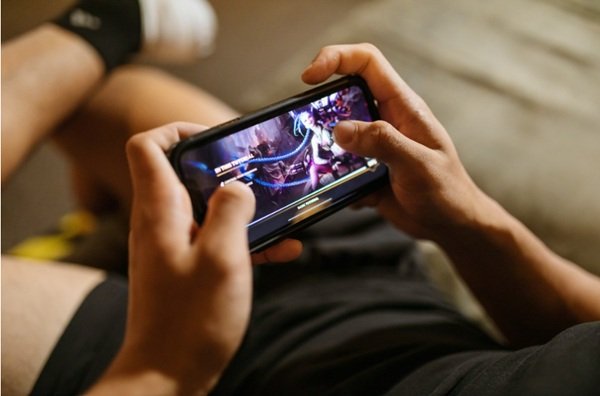
Casual gaming has a funny habit of being underestimated right up until it eats the room. People still talk about “real gamers” and “hardcore titles,” but the numbers, and the habits, keep pointing in one direction: quick, accessible games are where the mass audience lives, spends, and returns.
If you want a small window into how casual-first experiences are being packaged today, click into tamasha game and pay attention to the flow more than the content. It’s built around fast entry, clear choices, and minimal fuss, which is basically the casual gaming rulebook now.
So what trends are still shaping the industry, even after casual gaming “won” mainstream attention? Quite a few, and they’re not just about puzzle games anymore.
Sessions got shorter, but routines got stronger
Casual gaming isn’t defined by genre as much as by rhythm. People want something that fits into real life: two minutes in a queue, seven minutes before a call, a quick unwind after dinner that somehow turns into three rounds.
That’s why the industry keeps leaning into:
- Instant start, minimal loading, fewer splash screens
- Clear round-based gameplay with natural stopping points
- “Resume” features that assume you’ll be interrupted
- Offline-friendly modes (still underrated in a world of spotty connections)
The shift here is subtle. It’s not only “snackable games.” It’s games designed around the reality that attention comes in fragments. The best casual titles don’t punish you for leaving, they welcome you back like nothing happened.
Hybrid games are replacing pure genres
A lot of the biggest casual hits right now are genre mashups. Puzzle plus narrative. Match-3 plus base building. Endless runner plus light RPG progression. Card battler plus roguelite elements, simplified enough for mobile.
Why does hybridization work? Because it solves boredom.
Pure casual loops can get repetitive fast. By layering a second system underneath, progression, collection, light strategy, players feel like they’re moving forward even when the core gameplay is simple.
You’ll also notice more “meta games” wrapped around the main game. Events, collections, cosmetics, season tracks. The match itself becomes one part of a bigger machine.
Live ops is the real engine
Casual games used to ship, peak, fade. Now they run like services.
Live ops, meaning ongoing updates, events, and tuning, is what keeps casual games alive for years. The trend hasn’t slowed, it’s matured. Teams have gotten better at pacing content so players don’t burn out, or at least don’t burn out too loudly.
What’s shaping the industry here:
- Weekly events that create routine without exhausting people
- Seasonal themes that refresh visuals and goals
- Limited-time modes that bring lapsed players back
- A/B testing that tunes everything from difficulty to store layout
The line between “game design” and “product design” is basically gone. If you build casual games today, you’re also building schedules and habits.
Social is lighter, but it’s everywhere
Casual players don’t always want voice chat, competitive trash talk, or clan politics. But they do like feeling connected. The industry figured out how to add social without demanding too much personality from the user.
So social features show up as:
- Friendly leaderboards (often segmented so you feel like you have a chance)
- Asynchronous co-op goals, like “help the group unlock a reward”
- Sharing results, clips, or streaks in a low-pressure way
- Light gifting systems that encourage returning
This matters because social creates stickiness. If your friend is playing, you’re more likely to open the app, even if you only have five minutes. That’s not deep community. It’s social gravity, and casual gaming runs on it.
Ads are evolving from annoyance to “optional currency”
Advertising never left casual gaming, but the format is changing. The big trend is reward-based ads, where players choose to watch an ad to get a hint, revive, or bonus.
When it’s done right, it feels like a fair trade. When it’s done badly, it feels like the game is holding fun hostage.
What’s shaping the market now is ad experience quality:
- Shorter ad loads and fewer broken close buttons
- Better frequency control so players don’t feel spammed
- Clear value exchange (“Watch to get X”), not vague promises
- Smarter placement that doesn’t interrupt emotional moments
The industry is learning that ad fatigue is real. A casual player will tolerate a lot, but not endless friction.
Monetization is under more scrutiny, so transparency is becoming a feature
Microtransactions are still a cornerstone, but players and regulators are paying closer attention. Loot box mechanics, confusing token systems, and aggressive “limited-time” pressure have become reputational risks, not just revenue levers.
Trends that keep expanding:
- Battle passes that clearly show what you get
- Subscription perks that feel stable, not exploitative
- Bundles priced for local markets, not one-size-fits-all
- Spending controls and more visible purchase histories
The interesting thing is that “responsible” design is starting to look like competitive advantage. Players remember which games felt fair, especially when money is involved.
Casual gaming is getting more culturally local
For a long time, casual games were designed like they were meant to offend nobody, which often meant they felt generic everywhere. That approach is fading.
Now studios are leaning into localization that goes beyond translation:
- Region-specific events and holidays
- Local references and visual themes
- Better language support in UI and help centers
- Partnerships with local creators who explain games in familiar terms
This isn’t just a nice touch. It’s growth strategy, especially in markets where mobile is the primary gaming platform and audiences are huge.
Cross-platform expectations are rising, even for casual players
You’d think casual players wouldn’t care about playing across devices, but they do, particularly as people move between phone, tablet, and desktop during the day.
Trends that are sticking:
- Accounts that sync progress smoothly
- Cloud saves as a default, not a premium feature
- Browser-based versions or instant demos to reduce install friction
- Social login options that simplify onboarding (when handled safely)
The key is continuity. If a casual game forgets your progress or makes switching devices painful, you don’t “fight through it.” You uninstall.
AI is shaping difficulty, personalization, and support behind the scenes
Most players don’t think about AI when they play a casual game, but it’s increasingly part of the machinery.
Where it shows up:
- Dynamic difficulty tuning to keep players in the “not too hard, not too easy” zone
- Smarter matchmaking in casual competitive modes
- Personalization of offers and event prompts (sometimes too aggressively)
- Automated customer support for basic account issues
This can improve the experience, but it also raises the risk of manipulation. The industry trend to watch is whether platforms give users more control over personalization, notifications, and spending nudges.
What this means if you’re a player
Casual gaming is supposed to be fun, not a second job. If you want to enjoy the best of modern casual design without getting dragged into the worst habits, a few simple moves help.
Casual gaming keeps shaping the industry because it’s where the biggest audience is, and because it’s the testing ground for design ideas that later spread everywhere else. Today’s “small” mobile game mechanics become tomorrow’s standard in bigger titles. If you’re paying attention, you can see the future of gaming in the most ordinary five-minute session.